Recovery Factor Calculation for Smart Traders
Master the recovery factor calculation to measure a strategy's resilience. Learn the formula, see DeFi examples, and find top wallets with Wallet Finder.ai.

June 20, 2026


Wallet Finder
March 30, 2026
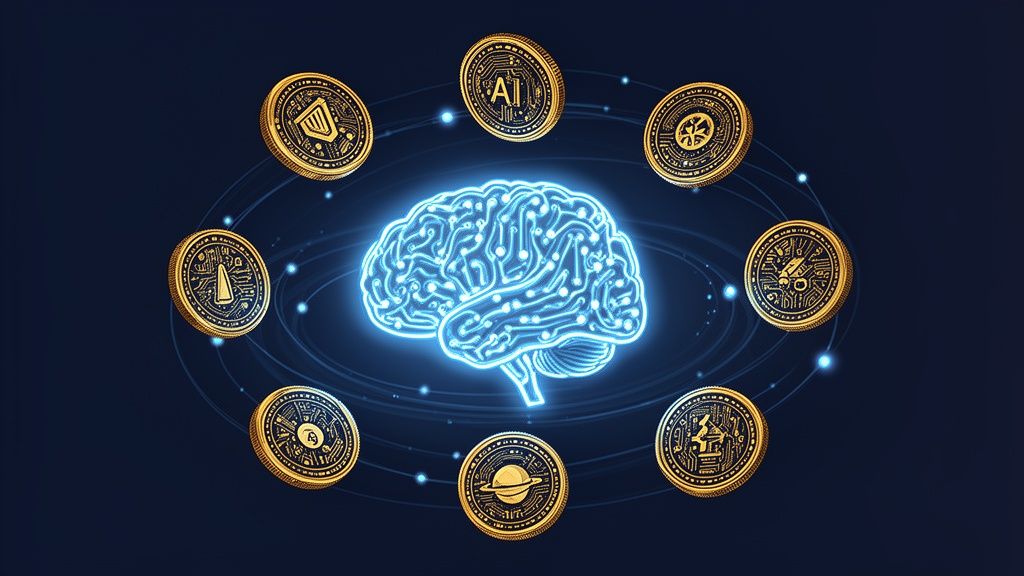
The intersection of artificial intelligence and blockchain is creating a new class of digital assets. While the term "AI crypto coins" often gets lost in market hype, a core group of projects are building tangible infrastructure and real-world applications. These aren't just concepts; they are functional networks powering decentralized compute, data indexing, and on-chain intelligence. For traders and investors, identifying the projects with genuine utility and tracking the smart money flowing into them is the key to separating fleeting trends from long-term opportunities.
This article provides a deep, actionable roundup of the most notable AI crypto coins today. We move past surface-level descriptions to give you the data needed to make informed decisions. For each token, we'll analyze its core use-case, tokenomics, and recent on-chain performance. More importantly, we'll uncover smart-money activity, providing specific wallet examples you can track.
You will learn how to:
We will cover projects including Akash Network (AKT), Arkham (ARKM), io.net (IO), and the upcoming Artificial Superintelligence Alliance (ASI) merger. Each section is structured for clarity, presenting the critical information you need to understand the real value and market dynamics behind these assets. Let’s get started.
Render Network provides a decentralized marketplace for GPU computing power, a critical resource for AI and high-fidelity 3D graphics. It connects individuals and studios needing computational horsepower for rendering or AI model training with a global network of node operators who rent out their idle GPUs. This peer-to-peer model stands out by creating a more accessible and cost-effective alternative to centralized cloud providers like AWS or Google Cloud, positioning it as a foundational layer for the next wave of digital content and AI applications.
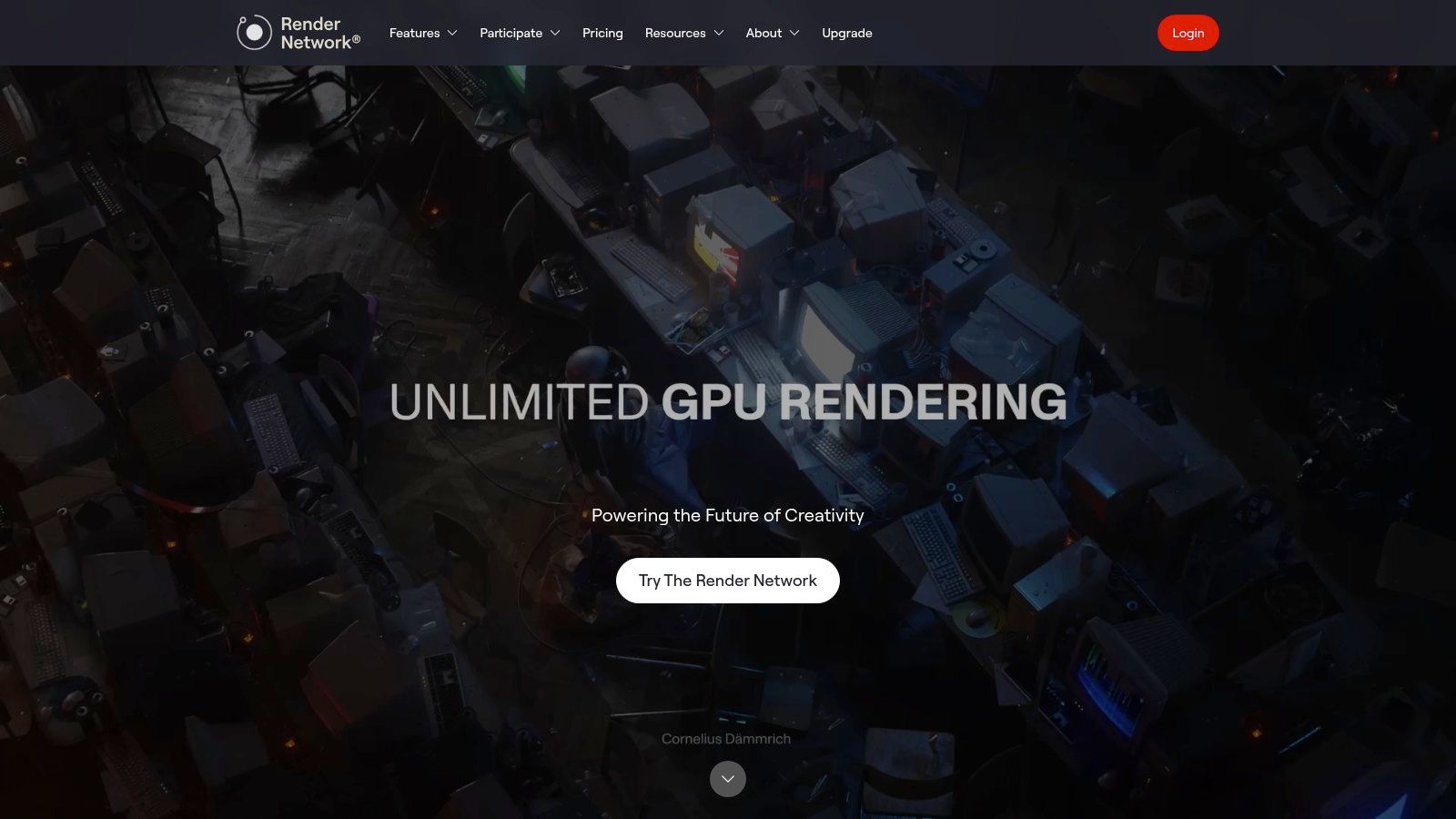
The network’s native token, RENDER, is the core of this ecosystem. Creators use it to pay for rendering jobs, and node operators earn it by providing their GPU power. This direct transaction model fosters a vibrant economy with real-world utility, making RENDER one of the most prominent AI crypto coins with a clear and established use case.
The migration to Solana has generated significant on-chain activity. Smart money wallets have been observed accumulating RENDER, often bridging from Ethereum to Solana to participate in the new ecosystem. Using a tool like Wallet Finder.ai, you can track these movements by filtering for transactions involving the RENDER token contract and identifying wallets with high net inflows or a history of profitable trades in related tokens like GRT or FET. For instance, some wallets have been spotted accumulating RENDER before major partnership announcements, demonstrating a pattern of informed trading.
Actionable Tip: Set up alerts in Wallet Finder.ai for large RENDER transfers from exchanges to private wallets or large swaps on Solana-based DEXs like Jupiter. This can signal accumulation by major players ahead of potential price moves.
Entry/Exit Ideas:
Risks:
For more details on the project, visit the official website: https://rendernetwork.com
Bittensor operates as a decentralized network where machine learning models compete and collaborate, creating a global, open-source marketplace for artificial intelligence. Instead of one company building a single master AI, Bittensor enables a vast network of "subnets," each specializing in a different AI task. Miners contribute their machine learning services to these subnets, and validators score their outputs, ensuring quality and rewarding the best performers with TAO tokens. This structure fosters a competitive environment that aims to accelerate AI development in a distributed, permissionless way.
The network’s native token, TAO, is central to its economic model, which is inspired by Bitcoin's tokenomics, including a fixed supply of 21 million. TAO is used to reward miners for providing valuable intelligence and validators for maintaining network integrity. This on-chain incentive system makes Bittensor one of the most direct and measurable AI crypto coins, where token emissions are tied directly to the performance of machine learning models across its numerous subnets.
The unique structure of Bittensor drives specific on-chain behaviors. Smart money often participates directly by becoming validators or delegating TAO to high-performing validators to earn staking rewards. Tools like Wallet Finder.ai are useful for identifying wallets that consistently delegate to top-performing validators or those that accumulate wTAO on Ethereum before bridging it to the Bittensor mainnet. For example, some professional funds have been tracked accumulating wTAO on Uniswap, then using bridges to move the tokens to stake them on the native network, signaling a long-term conviction in the project's growth.
Actionable Tip: Use Wallet Finder.ai to monitor the creation of new wallets that receive large amounts of TAO and immediately start staking/delegating. This can reveal new institutional players entering the ecosystem. Also, track large wTAO swaps on DEXs as a leading indicator of accumulation.
Entry/Exit Ideas:
Risks:
For more details on the project, visit the official website: https://bittensor.com
Akash Network functions as a decentralized open marketplace for cloud computing, often called the "Airbnb for cloud compute." It allows users to buy and sell computing resources on an open market, creating a competitive environment where providers bid to offer their CPU and GPU capacity. This model provides a permissionless and often more affordable alternative to centralized cloud services like Amazon Web Services (AWS), Google Cloud, and Microsoft Azure, making it a crucial infrastructure for developers deploying AI applications and other cloud-native workloads.
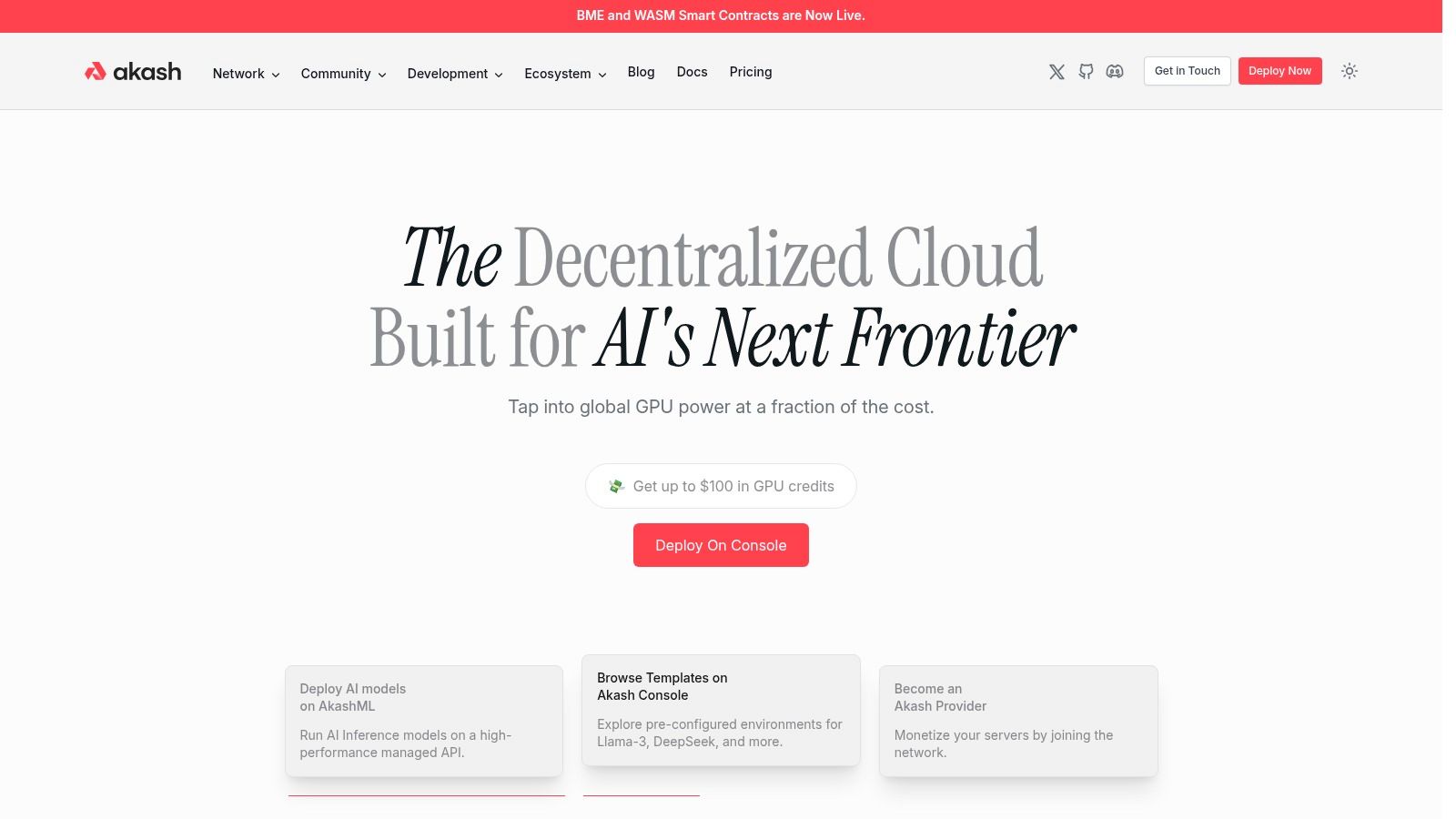
The network’s native utility token, AKT, is central to its operation. It is used for governance, securing the blockchain through staking, and as the primary medium for settling payments within the marketplace. Tenants use AKT to pay for compute resources, while providers receive it as payment. This clear utility makes AKT one of the most practical AI crypto coins, directly tied to the demand for decentralized cloud services.
On-chain analysis of the Akash Network reveals significant activity related to staking and provider payments. Smart money wallets often accumulate AKT during periods of high network usage or in anticipation of major ecosystem upgrades. For example, tracking wallets that consistently provide liquidity on Cosmos-based DEXs like Osmosis can uncover accumulation patterns. Using Wallet Finder.ai, one can monitor the AKT token contract and filter for wallets that are increasing their staked positions or receiving large, periodic payments, which could indicate they are active providers on the network.
Actionable Tip: Create an alert in Wallet Finder.ai for wallets that unstake large amounts of AKT and move them to an exchange. This could signal a major provider or staker taking profits and may precede downward price pressure. Conversely, tracking new wallets that begin accumulating and staking AKT can point to new, bullish participants entering the ecosystem.
Entry/Exit Ideas:
Risks:
For more details on the project, visit the official website: https://akash.network
The Graph serves as a decentralized indexing and query layer, often called the "Google of blockchains," allowing developers to efficiently access on-chain data. It organizes complex blockchain information into accessible APIs called subgraphs. This service is essential for decentralized applications (dApps), analytics platforms, and increasingly, for AI models that need structured, reliable blockchain data for training and analysis. By providing this foundational data infrastructure, The Graph positions itself as a critical enabler for more advanced AI applications built on web3.
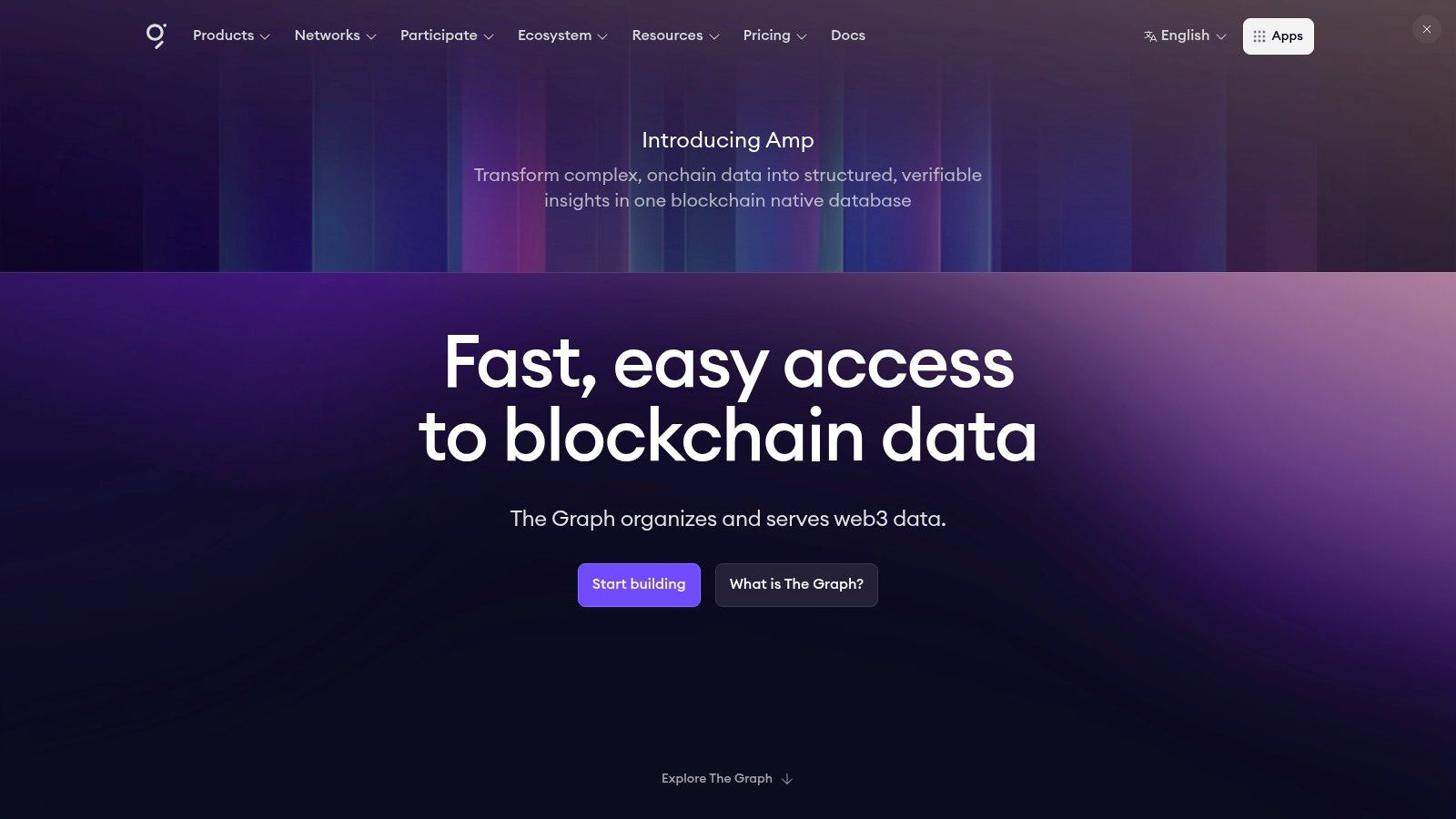
The network's utility token, GRT, is the economic engine that secures the protocol. Indexers stake GRT to provide indexing services, Curators signal which subgraphs are valuable by staking GRT, and Delegators stake their tokens with Indexers to earn a portion of the rewards. This creates a system of incentives that ensures data accuracy and availability, making GRT one of the cornerstone AI crypto coins by powering the data pipelines that feed intelligent systems.
On-chain analysis of GRT often focuses on the staking and delegation contracts. A surge in GRT moving into the official staking contract can indicate long-term conviction from holders who are willing to lock up their tokens for rewards. Smart money wallets can be seen delegating large sums of GRT to top-performing Indexers. Using Wallet Finder.ai, you can monitor these delegation transactions to see which Indexers are gaining trust and capital from significant players. Observing whales undelegating or withdrawing from staking contracts could be a bearish signal, as there is an unbonding period before the tokens can be sold.
Actionable Tip: In Wallet Finder.ai, create a filter to track GRT transfers to and from the primary staking contract address. An increase in deposits from smart money wallets can be a bullish indicator of accumulation for staking yield, while withdrawals could precede selling pressure.
Entry/Exit Ideas:
Risks:
For more details on the project, visit the official website: https://thegraph.com
Arkham operates a crypto intelligence platform that employs AI to deanonymize the blockchain. Its system analyzes and labels blockchain addresses, linking them to real-world entities like exchanges, funds, and individuals. This creates a transparent, searchable database of on-chain activity. The platform's goal is to make blockchain data accessible and useful for everyone, from individual traders to large institutions, by revealing who is behind specific transactions.
The ARKM token is the currency of Arkham’s "Intel-to-Earn" economy. It powers the Arkham Intel Exchange, a marketplace where users can buy and sell information on blockchain addresses. Users can post bounties using ARKM to request specific intelligence, and researchers who fulfill these bounties earn the token. This unique model incentivizes the global community to contribute to the platform's intelligence-gathering efforts, positioning ARKM as one of the more distinct AI crypto coins.
On-chain analysis of ARKM reveals a high concentration of tokens held by the project's foundation and early investors, which is typical for a newly launched project. However, smart money activity often spikes around major bounty postings or the release of high-profile on-chain reports. For example, wallets known for on-chain sleuthing can be seen acquiring ARKM to participate in bounties they are uniquely positioned to solve. Understanding how machine learning detects wallet anomalies can give you an edge in spotting these expert wallets before they act.
Using Wallet Finder.ai, you can monitor the flow of ARKM to and from the bounty contract on the Intel Exchange. A surge of ARKM deposits into the contract could signal that a large, high-value bounty is about to be posted, which can attract significant attention and trading volume to the token.
Actionable Tip: Create a watchlist in Wallet Finder.ai for wallets that have successfully claimed large bounties on Arkham. Track their ARKM holdings and other token movements to see what ecosystems or narratives they are focusing on next. These are often highly skilled on-chain analysts.
Entry/Exit Ideas:
Risks:
For more details on the project, visit the official website: https://arkm.com
io.net is a decentralized physical infrastructure network (DePIN) that aggregates GPU compute power for AI and machine learning workloads. Built on Solana, it provides a marketplace where companies can access massive amounts of distributed computational power at a lower cost than traditional centralized services. The project's goal is to become the "internet of GPUs," creating a permissionless ecosystem for AI compute resources.
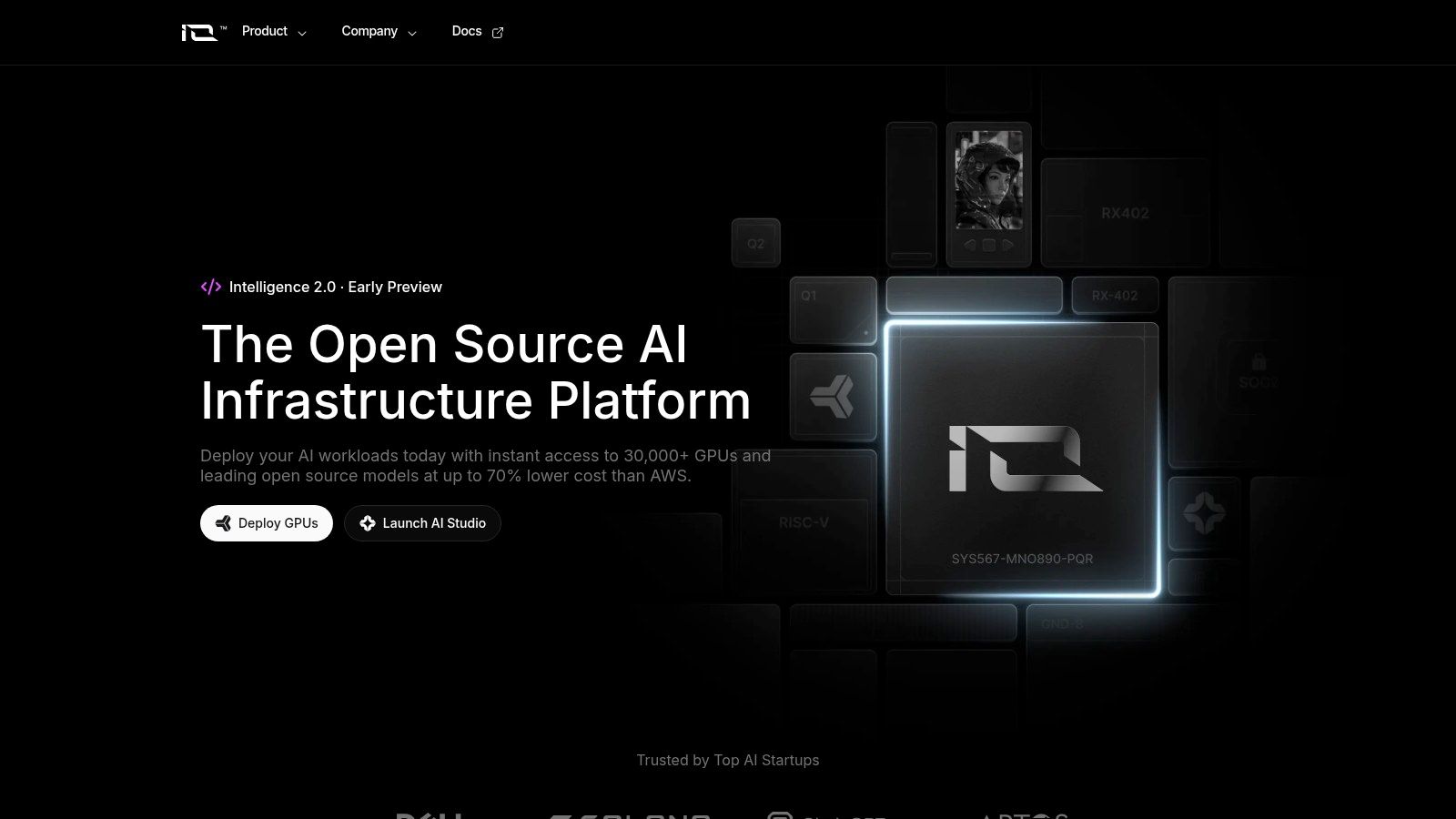
The network is powered by its native utility and governance token, IO. It functions as the primary payment currency for deploying GPU clusters and is used to reward hardware providers for supplying their compute power. This creates a circular economy where demand for AI compute directly drives the utility and value of IO, establishing it as one of the key AI crypto coins in the DePIN sector.
As a relatively new token, IO has seen intense on-chain activity post-launch. Smart money analysis shows significant volume on Solana DEXs and CEX-to-wallet transfers. Using a tool like Wallet Finder.ai, you can track wallets that received large IO airdrops or acquired tokens on launch day and monitor their behavior. For example, some wallets known for participating in early-stage DePIN projects have been observed accumulating IO on dips, suggesting long-term conviction in the project's potential to capture market share from competitors.
Actionable Tip: Create a filter in Wallet Finder.ai for IO token transactions exceeding a certain value (e.g., $10,000) on platforms like Jupiter or Raydium. Cross-reference wallets making these swaps with their past performance in other AI or DePIN tokens to identify experienced traders entering positions.
Entry/Exit Ideas:
Risks:
For more details on the project, visit the official website: https://io.net
The Artificial Superintelligence Alliance marks a significant consolidation in the decentralized AI space, merging three established projects: Fetch.ai (FET), SingularityNET (AGIX), and Ocean Protocol (OCEAN). This alliance aims to create a unified, decentralized AI infrastructure that combines Fetch.ai's autonomous agents, SingularityNET's AI services marketplace, and Ocean Protocol's data sharing capabilities. By pooling their resources, communities, and technologies, the alliance is building a formidable alternative to the centralized AI models dominated by big tech.
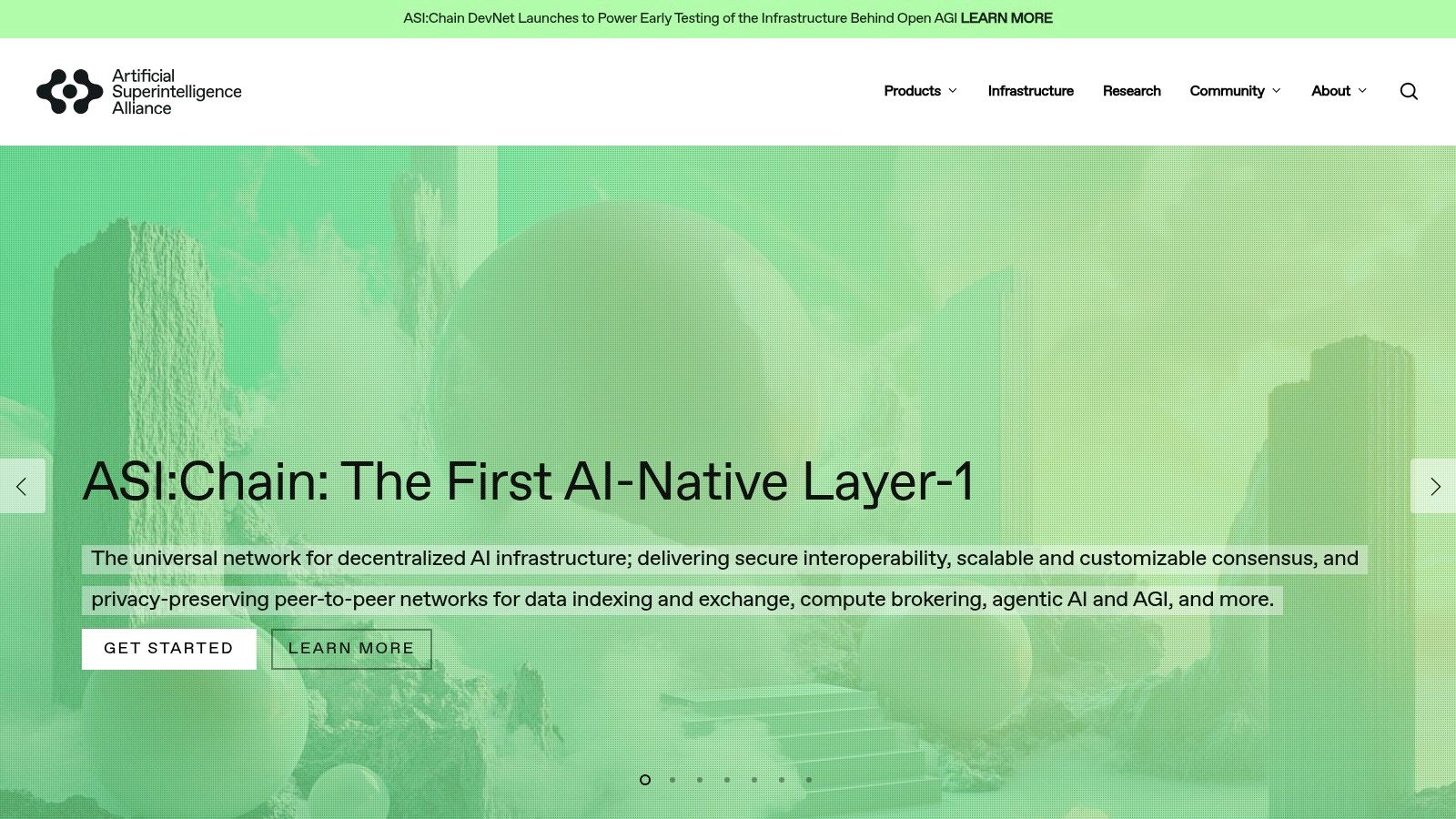
The core of this merger is the new Artificial Superintelligence (ASI) token, which will replace the individual FET, AGIX, and OCEAN tokens. Fetch.ai's native token, FET, serves as the base reserve asset and is being rebranded to ASI. Holders of AGIX and OCEAN can convert their tokens to ASI at fixed ratios. This token merger creates a single, powerful currency to govern and power one of the most comprehensive AI crypto coins ecosystems.
The token merger has created unique on-chain arbitrage and accumulation opportunities. Astute traders have been actively monitoring the price ratios between FET, AGIX, and OCEAN on decentralized and centralized exchanges. Smart money wallets have been seen arbitraging discrepancies between the spot prices and the official conversion rates. For example, if AGIX trades below its fixed conversion value relative to FET, traders buy AGIX and sell FET to lock in a profit, anticipating the eventual merge to ASI.
Actionable Tip: In Wallet Finder.ai, monitor the top holders of FET, AGIX, and OCEAN. Set up alerts for wallets that are actively swapping between these three tokens on DEXs. This activity often precedes price convergence and can signal short-term arbitrage plays or long-term accumulation before the final migration phase.
Entry/Exit Ideas:
Risks:
For more details on the project, visit the official website: https://www.superintelligence.io
| Project | Implementation Complexity 🔄 | Resource Requirements ⚡ | Expected Outcomes 📊⭐ | Ideal Use Cases | Key Advantages 💡 | Main Risks / Limitations |
|---|---|---|---|---|---|---|
| Render Network (RENDER) | Medium — marketplace ops + token migration 🔄 | High — sustained GPU supply and node ops ⚡ | On‑chain GPU compute marketplace with real demand 📊⭐ | 3D rendering, AI inference, media workloads | Real demand; clear docs and upgrade path 💡 | Token migration complexity; supply/pricing dependency |
| Bittensor (TAO) | High — ML subnets, validator scoring, econ design 🔄 | Medium‑High — ML compute, validators, cross‑chain tooling ⚡ | Decentralized, incentivized ML marketplace with on‑chain metrics 📊⭐ | Incentivized model serving, distributed training experiments | Crypto‑native incentives and clear economic model 💡 | Tooling fragmentation; phishing/UX risks |
| Akash Network (AKT) | Medium — bidding marketplace and deployment ops 🔄 | Medium — diverse provider capacity; user ops skill ⚡ | Cost‑effective cloud alternative for GPU/CPU workloads 📊⭐ | On‑demand AI training/inference for cost‑sensitive users | Practical docs and active developer community 💡 | Provider uptime varies; requires deployment competence |
| The Graph (GRT) | Low‑Medium — mature indexing but staking nuances 🔄 | Low — indexer infrastructure and staking capital ⚡ | Reliable on‑chain indexing/querying that enables analytics/AI 📊⭐ | Data retrieval for dApps, analytics, AI pipelines | Battle‑tested middleware and clear token economics 💡 | Indirect AI exposure; staking lock/thaw rules |
| Arkham (ARKM) | Medium — intel marketplace and API platform 🔄 | Medium — data/ML resources and analyst tooling ⚡ | High‑value on‑chain attribution and research outputs 📊⭐ | Forensics, AML, counterparty analysis, research | Targeted enterprise integrations and disclosures 💡 | Privacy/ethical concerns; event‑driven token activity |
| io.net (IO) | Medium‑High — Solana integration and provider verification 🔄 | High — GPUs, reliable providers, fast‑finality coordination ⚡ | Tokenized low‑latency GPU rental marketplace 📊⚡ | Low‑latency AI/ML workloads on Solana | Focused product with fast payments and incentives 💡 | Past security incidents (GPU spoofing); early supply SLAs |
| ASI (migration from FET) | High — multi‑phase migrations and cross‑project coordination 🔄 | High — cross‑project resources, community coordination ⚡ | Unified DeAI stack across agents, data, compute with broad reach 📊⭐ | Cross‑project DeAI integrations, agent/data marketplaces | Large communities and combined R&D resources 💡 | Ticker/name ambiguity; evolving timelines — verify before transacting |
This deep dive into the world of AI crypto coins has armed you with more than just a list of promising tokens. You now have a framework for analyzing projects like Render (RENDER), Bittensor (TAO), Akash (AKT), The Graph (GRT), Arkham (ARKM), io.net (IO), and the upcoming Artificial Superintelligence Alliance (ASI). We moved beyond surface-level descriptions to dissect tokenomics, on-chain activity, and the specific smart-money wallets that are actively shaping these markets.
The central theme is clear: The convergence of artificial intelligence and blockchain is creating a powerful new sector, but success in this arena requires a data-driven approach. Simply buying a token because it has "AI" in its description is a recipe for disappointment. The real advantage comes from understanding the fundamental value proposition and then verifying that thesis with on-chain evidence.
The projects we examined fall into distinct but interconnected categories within the AI crypto coin ecosystem.
Your primary takeaway should be that each category of AI crypto coins demands a unique analytical lens. What constitutes a bullish signal for a DePIN project (e.g., a surge in active leases on Akash) is different from a signal for a data indexer (e.g., a spike in query fees on The Graph).
Reading this article is the first step; turning this information into a profitable strategy is the next. Here is a simple, actionable plan:
By following this process, you shift from being a passive spectator to an active, data-informed market participant. You are no longer just reacting to price; you are anticipating market movements based on the actions of the most influential players in the AI crypto coins space.
Ready to stop guessing and start tracking the smart money in the AI crypto sector? Wallet Finder.ai is the exact tool designed to help you execute the strategies discussed in this article, allowing you to find, monitor, and mirror the most profitable wallets with ease. Discover the wallets moving markets and turn on-chain data into your unfair advantage at Wallet Finder.ai today.

A premier DeFi analytics platform empowering traders to discover and analyze profitable blockchain wallets, trades and tokens.