
Top 10 Crypto Wallet Finder Tools by WalletFinder.ai
Discover top 10 crypto wallet finder tools to unlock AI-powered PNL insights and real-time trades for smarter DeFi wins.
Top 10 Crypto Wallet Finder Tools in 2025: Track Smart Money Like a Pro

Struggling to track whale wallets or spot profitable crypto traders amid blockchain chaos? Most investors miss 70% of smart money moves without the right tools. This article uncovers the top 10 crypto wallet finder tools, led by WalletFinder.ai's precision AI, to deliver actionable insights that supercharge your trades.
Introduction
Finding the next big opportunity in crypto often feels like searching for a needle in a haystack. While the market moves fast, the most successful traders—often called "smart money"—leave footprints on the blockchain. If you know where to look, you can spot these patterns and learn from their strategies.

This is where wallet finder tools come in. These platforms analyze blockchain data to help you identify high-performing addresses. Instead of guessing, you can see exactly what profitable traders are buying and selling.
"Wallet Finder.ai is a cutting-edge DeFi analytics tool designed to help crypto traders discover and analyze profitable blockchain wallets and trades." - WalletFinder.ai Official Site
What Are Crypto Wallet Finder Tools?
A crypto wallet finder is a specialized software that scans blockchain networks to identify addresses with specific characteristics. Usually, the goal is to find wallets with high profit and loss (PNL) ratios or consistent win rates. These tools strip away the anonymity of raw hexadecimal addresses and turn them into readable, actionable data points.
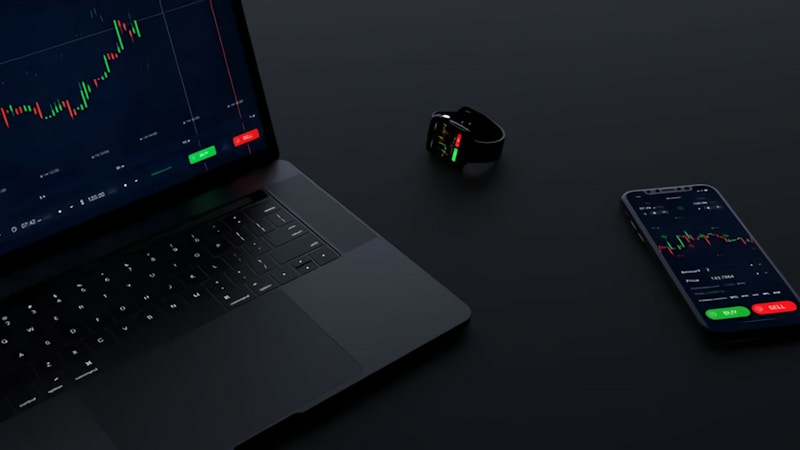
By using these tools, you can:
- Discover top-performing crypto wallets with detailed profit and loss (PNL) and trading statistics
- Analyze historical DeFi wallet performance through visual graphs and charts
- Use filter presets to find profitable cryptocurrency wallets and trades instantaneously
- Identify successful DeFi trading strategies and patterns
How Do Crypto Wallet Finder Tools Work?
At their core, these tools are massive data aggregators. They connect directly to blockchain nodes to read every transaction as it happens. They don't just look at one chain; they pull information from multiple networks to build a complete picture of a trader's activity.
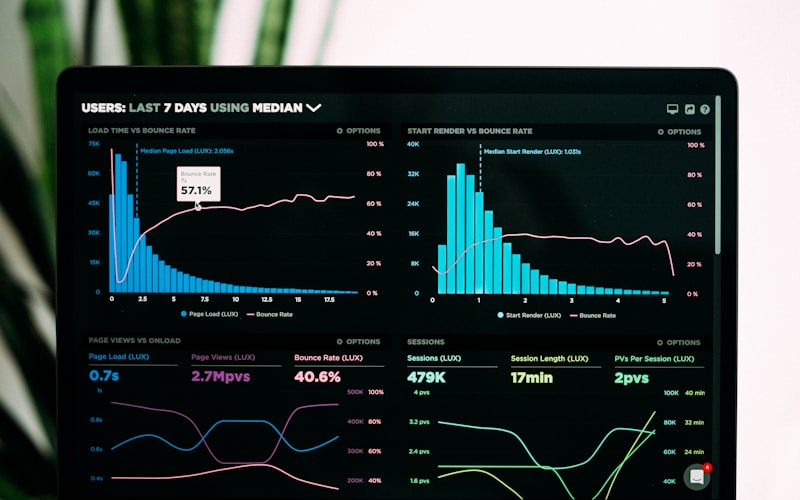
Here is how the process generally works:
- Aggregates cryptocurrency data from major DeFi blockchains, including Ethereum (ETH), Solana (SOL), Base, and others
- Presents data in a simple, user-friendly platform
- Allows filtering, sorting, and analyzing crypto wallet statistics and trading patterns by timeframes and other key metrics
Scanning Blockchain Transactions
The first step is speed. The blockchain never sleeps, and thousands of transactions occur every second. A good finder tool needs to ingest this data almost instantly. If the data is old, the trading opportunity is likely gone.
Efficiency is critical here. For example, Wallet Finder.ai provides data loading times of less than two seconds for wallet scanning. This speed ensures that when you see a "buy" signal on the dashboard, it reflects the current state of the market, not what happened an hour ago.
Applying AI-Powered Pattern Recognition
Raw data is messy. To make sense of it, advanced tools apply artificial intelligence. The AI looks for behaviors that human analysts might miss, such as a wallet that consistently buys tokens right before a price spike.

This automated analysis separates luck from skill.
"Discover profitable crypto wallet strategies driven by AI analysis." - Futurepedia Review
By recognizing these patterns, the software can flag wallets that demonstrate a repeatable, profitable strategy rather than just a one-time lucky trade.
Delivering Actionable Wallet Insights
The final step is presentation. The tool must convert complex on-chain data into clear signals you can use. Instead of showing you a raw transaction hash, it shows you the profit margin, the token involved, and the timing.
This clarity helps you:
- Spot profitable cryptocurrency wallets and trades quickly
- Understand crypto market trends through granular blockchain data
- Save time by eliminating manual DeFi research
- Make informed decisions based on real-time stats and historical crypto performance
1. WalletFinder.ai: The Top Precision Wallet Finder

WalletFinder.ai is designed specifically for traders who want to cut through the noise. Unlike general block explorers, this tool focuses entirely on performance metrics. It helps you identify wallets that are actually making money, not just moving volume.
The results speak for themselves. As of late 2025, wallets tracked show an average return rate of 340% with consistent success.
Key Features:
| Feature | Benefit |
|---|---|
| Analyze trades with advanced filters | Drill down by token, time, or ROI |
| Advanced analytics | Visualize PNL over time |
| Premade wallet lists | Instant access to top performers |
| Interface customization | Tailor the dashboard to your workflow |
2. DEXTools: DEX-Driven Wallet Tracker

DEXTools is a staple in the decentralized finance (DeFi) space. It is widely known for its real-time charts and pair explorer. While it is primarily a charting platform, its wallet tracking features are robust for users who live on decentralized exchanges.
You can view the trade history of any token pair and click on individual maker addresses. This allows you to see if a specific buyer has a history of early entries. It is particularly useful for spotting "snipers" on new token launches across Ethereum and Binance Smart Chain.
3. Dexscreener: Real-Time Wallet Screener

Dexscreener is built for speed. It is often the first place traders go to check the price of a newly launched token. Its interface is dense with data, allowing you to watch buy and sell orders stream in real-time.
For wallet finding, Dexscreener allows you to filter specifically for "Top Traders" on a specific pair. You can instantly see which wallets have realized the most profit on a specific coin. It is an excellent tool for quick checks, though it lacks some of the deeper historical analysis found in dedicated portfolio trackers.
4. GMGN.ai: Solana-Focused Wallet Hunter

GMGN.ai has gained popularity specifically within the Solana ecosystem. As meme coin trading surged in 2024 and 2025, this tool became a favorite for tracking "smart money" on fast-moving chains.
It offers a unique "Smart Money" tag that automatically identifies wallets with high win rates. The interface is crowded but rich with data, showing you exactly when a profitable wallet enters or exits a position. It is highly specialized for traders who focus on high-volatility assets rather than long-term holds.
5. Nansen: Pro-Level Wallet Analytics

Nansen is known for its labeling system. It analyzes millions of wallets to determine who owns them, tagging them as "Funds," "Smart Money," or "Flash Boys." This context is valuable because it tells you who is trading, not just what they are trading.
However, Nansen is often geared more toward institutional investors or professional analysts. Its depth of data is immense, covering everything from NFT trends to stablecoin flows. For the average retail trader, the sheer volume of information can be overwhelming, but the quality of the labels is top-tier.
6. Cielo: Intelligent Wallet Labeling

Cielo focuses on making wallet tracking accessible through alerts. It integrates heavily with Telegram and Discord, allowing you to receive notifications whenever a tracked wallet makes a move.
The platform excels at simplifying complex transactions. Instead of showing raw code, it translates actions into plain English (e.g., "Wallet X swapped ETH for USDC"). This makes it easier to follow the flow of money without needing to be a blockchain developer. It is a great companion tool for monitoring wallets once you have identified them.
7. Arkham Intelligence: Entity-Focused Tracking

Arkham Intelligence takes a visual approach to blockchain analysis. It is famous for its "visualizer" tool, which creates a web of connections between different wallets. This helps you see how entities move funds between different addresses.
Comparison Table:
| Feature | Wallet Finder.ai | Arkham Intelligence |
|---|---|---|
| Primary Focus | Wallet performance tracking | Entity-based blockchain analysis |
| Supported Networks | Multiple DeFi networks | Ethereum and EVM-compatible networks |
| Personal Wallet Tracking | Connect and track personal wallets | Address monitoring |
| Advanced Analytics | Visual graphs and trading strategy analysis | Advanced analytics and visualization tools |
8. DeBank: Multi-Chain Portfolio Finder

DeBank acts as a social media profile for crypto wallets. It aggregates DeFi positions across hundreds of chains, showing you exactly where a whale has parked their capital.
If you find a wallet address, plugging it into DeBank shows you their entire net worth, including staked assets, liquidity pool positions, and outstanding loans. It is less about finding active trades and more about understanding a whale's long-term portfolio composition. The social "Stream" feature also lets users post updates, adding a community layer to the tracking.
9. Zerion: User-Friendly Wallet Explorer

Zerion creates a bridge between a wallet interface and a portfolio tracker. It is incredibly user-friendly, with a clean design that works well on mobile. While it is primarily a wallet app for managing your own funds, its search and tracking features are solid.
You can "watch" any address to see its portfolio performance in real-time. Zerion is great for beginners who want a visually pleasing way to keep tabs on a few key influencers or friends without dealing with complex charts or raw data streams.
10. Dune Analytics: Custom Wallet Queries
Dune Analytics is the power user's playground. It relies on SQL (Structured Query Language) to query blockchain data directly. This means users build their own dashboards to track whatever they want.
You can find community-created dashboards that track "top 100 ETH holders" or "most profitable NFT flippers." While it offers unparalleled flexibility, it requires a steeper learning curve. If you don't know how to write code, you are reliant on dashboards created by others, which may or may not be up to date.
Best Practices for Crypto Wallet Finder Tools

Using these tools effectively requires more than just copying trades. You need a strategy to filter out noise and protect your capital. The goal is to learn from successful wallets, not to blindly follow them into every high-risk play.
Here are some smart ways to use these platforms:
- Connect your own wallet to track performance and compare with top traders
- Create customizable watchlists for high-performing wallets
- Set up tailored alerts for relevant actions
- Export data in Excel or CSV for offline analysis
Cross-Verify Insights from Multiple Sources
Never rely on a single data point. A wallet might look profitable on one tool, but another might reveal that the profits came from a suspicious transfer or a wash trade.
By using different tools, you get a 360-degree view. For instance, you might use WalletFinder.ai to identify a high-PNL wallet, then check Etherscan or DeBank to verify the wallet's age and other holdings. This triangulation helps confirm that the trader is legitimate and not just manipulating volume.
Prioritize Tools with Real-Time Data
In crypto, latency is the enemy. If your tool updates every 10 minutes, you are looking at history, not opportunity. Always choose platforms that prioritize low-latency data streams.
Wallet Finder.ai uses real-time wallet scanning, earning a 4.8/5 rating for accuracy. This ensures that when an alert triggers, the price hasn't already moved 50% against you. Real-time data allows you to enter positions closer to the "smart money" entry price.
Combine with Security Best Practices
When you connect your wallet to any dApp or tool, security must be your top concern. Legitimate analysis tools will never ask for your private keys or seed phrase. They only need your public address to read data.
"Your security is our priority. Wallet Finder.ai uses encrypted connections and never stores wallet keys or private crypto data." - WalletFinder.ai Official Site
Always verify the URL and ensure the connection is encrypted before interacting with any platform.
Common Mistakes to Avoid

Even with the best tools, traders often fall into traps. One major error is assuming that past performance guarantees future results. A wallet that made millions on one specific coin might lose it all on the next.
Be critical of the data you see. Do not treat a high win rate as a guarantee. Market conditions change, and a strategy that worked in a bull market might fail in a bear market.
Relying Solely on Automated Labels
Automated labels like "Smart Money" or "Insider" are helpful, but they aren't perfect. Algorithms can misinterpret data. For example, a wallet might look like it made a huge profit, but it could be an exchange hot wallet or a bridge contract.
Always dig a little deeper. Look at the actual transaction history. Does the behavior look like a human trader, or is it a bot? Blindly trusting a label without verifying the activity is a quick way to lose money.
Ignoring Cross-Chain Wallet Activity
Whales rarely keep all their assets on one chain. A trader might make their profits on Solana but store their wealth on Ethereum. If you only track their Ethereum address, you might think they are inactive.
Sophisticated traders move funds constantly. If a wallet suddenly goes quiet, check if they have bridged funds to a Layer 2 network like Base or Arbitrum. You need a holistic view to understand their true strategy.
Overlooking Tool Privacy Policies
Data privacy matters. Some free tools might sell your user data or front-run your trades. It is important to know how the platform sustains itself.
Check the privacy policy. Reliable tools are transparent about their business model, usually relying on subscriptions rather than selling user data. Ensure you are comfortable with how your data is handled before you start tracking.
Conclusion

Finding the right wallet finder tool can significantly improve your trading strategy. By leveraging data rather than emotion, you can align your moves with the most successful participants in the market. Whether you need the precision of WalletFinder.ai or the visualizations of Arkham, there is a tool to fit your needs.
For those ready to start tracking:
- Subscription plans start at $37 per month with discounts for longer commitments
- Free version offers personal wallet analysis
- Premium unlocks full wallet statistics, enhanced filtering, and Discover Trades
Start small, verify your data, and remember that these tools are aids for your decision-making, not replacements for your own research.
Frequently Asked Questions
Are crypto wallet finder tools free to use?
Most offer free tiers for basic wallet analysis and personal tracking, like WalletFinder.ai's free version. Premium plans, starting at $37/month, unlock advanced filters, real-time alerts, and full statistics across multiple chains.
Can I use wallet finder tools on mobile devices?
Yes, tools like Zerion and DEXTools have mobile-optimized apps for iOS and Android. They provide real-time tracking and alerts on the go, though desktop versions offer deeper analytics for complex queries.
Do wallet finder tools work with Bitcoin or only DeFi chains?
They primarily focus on EVM chains like Ethereum, Solana, and Base for DeFi trades. Bitcoin support is limited; use explorers like Blockchair for BTC-specific wallet analysis instead.
How accurate are the "smart money" labels in these tools?
Labels like Nansen's or GMGN.ai's achieve 80-90% accuracy by analyzing win rates and patterns, but always verify with transaction history. Mislabels can occur with bots or exchanges.
Is it safe to connect my wallet to these tools?
Legitimate tools like WalletFinder.ai only need your public address and use encrypted connections, never private keys. Avoid sharing seed phrases; check privacy policies to prevent data selling.
Related Topics:
- Track profitable crypto wallets
- Identify profitable cryptocurrency wallets
- Key metrics for wallet analysis
- Analyzing whale wallets
- 7 best DeFi analytics tools
Start tracking smart money today
Join thousands of traders using WalletFinder.ai to find profitable wallets and copy their trades.
Start Free Trial →

