
10 Smart Contracts Examples to Track in 2026
Explore 10 real-world smart contracts examples from DeFi. Learn how to track DEX swaps, yield farms, and more to find and mirror smart money strategies.
Over and over, profitable on-chain wallets leave the same footprint. They do not just buy tokens. They route through specific contracts, borrow against positions, bridge capital before catalysts, and use automation where weaker traders act manually. If you want tradable signal, contract interactions matter more than raw transfer logs.
A token transfer rarely gives clean context. A call to a router, vault, lending market, bridge, or liquidation bot contract usually does. Contract type shows intent. Sequence shows strategy. Position sizing across those contracts shows conviction and risk tolerance.
That is the angle of this guide. These smart contracts examples are not here as generic blockchain education. They are 10 contract categories I watch as on-chain signals. For each one, the goal is practical: identify what the contract does, inspect the code patterns that matter, flag the security risks that trap copy traders, and turn that activity into a trading setup by tracking wallets with tools like Wallet Finder.ai’s DeFi smart contract tracking guide.
I review wallets the same way I review trades. Start with behavior, not screenshots. A wallet that rotates through DEX pools, posts collateral, bridges at precise moments, and farms selectively usually follows a system. A wallet that keeps interacting with random deployer contracts usually follows impulse.
The term smart contract predates Ethereum. Nick Szabo introduced the idea in the 1990s. Ethereum turned it into a live financial rail where every meaningful action is public, timestamped, and easy to inspect if you know which contracts to follow.
Below are the 10 smart contract examples worth tracking in live markets. Each one can function as an on-chain signal. Used well, they help you separate informed capital from noise and mirror smart money with better timing and fewer blind spots.
1. Decentralized Exchange Swaps and Liquidity Protocols
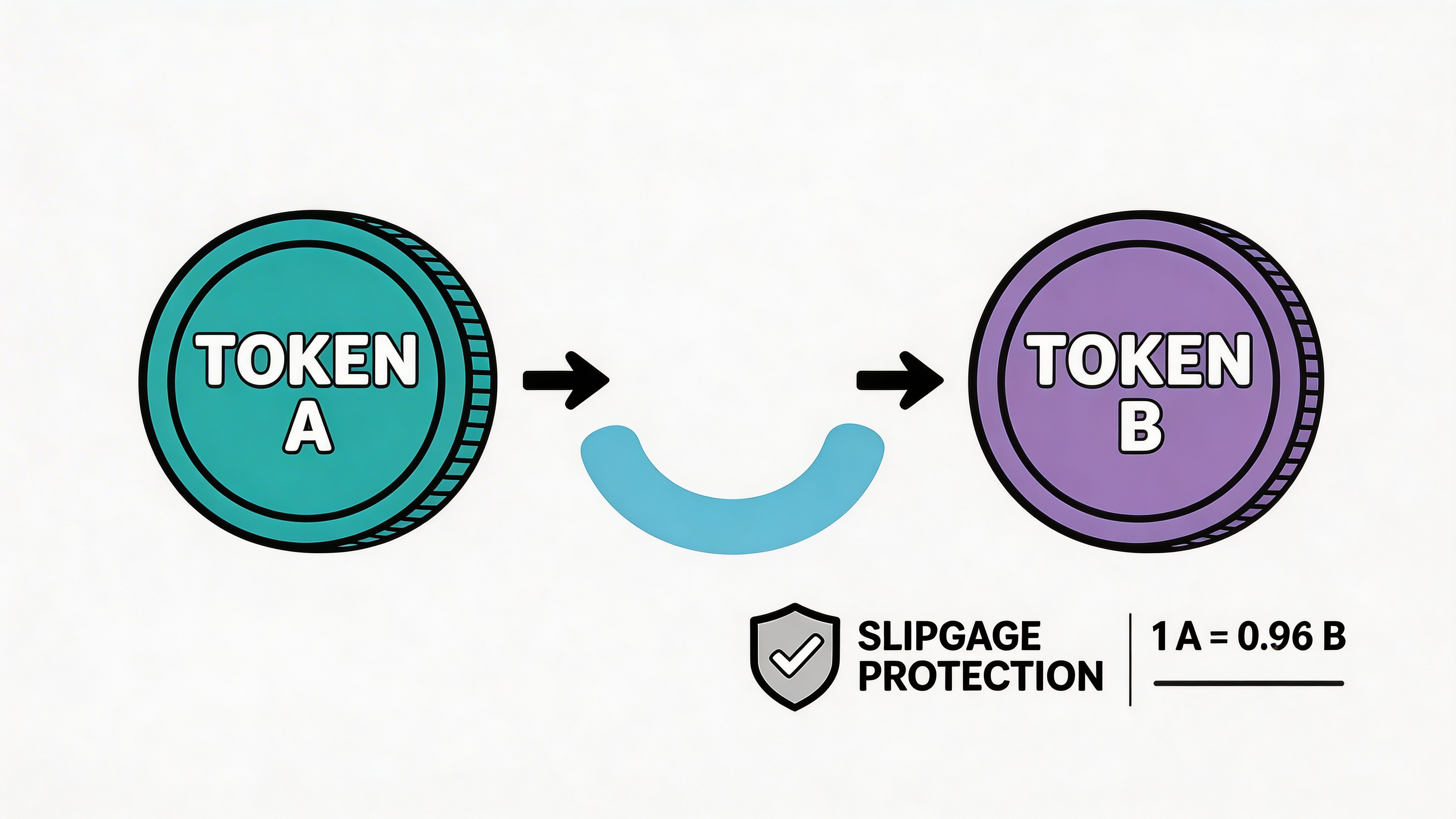
A large share of smart money leaves its first clear footprint in DEX contracts. If you want contract activity that translates into tradable intent fast, start with routers, pools, and LP manager contracts.
Uniswap is the obvious reference point, but the brand matters less than the pattern. Good wallets show consistency. They route through familiar contracts, size entries with discipline, and interact with liquidity in ways that match a broader thesis instead of chasing every new pair that appears.
The signal inside swap contracts
A token buy alone is weak evidence. The contract path is stronger.
I look at four things first:
- Router selection: Repeated use of the same router family often signals a trader with a defined execution process.
- Pool choice: Deep pools reduce impact. Thin pools usually increase slippage and attract lower-quality flow.
- Transaction sequencing: Clean entries, adds, trims, and exits usually show planning.
- LP behavior: Adding liquidity can mean conviction, hedging, fee farming, or inventory distribution. Context decides which one.
That last point gets missed a lot. A wallet buying through a router and then immediately providing liquidity is behaving very differently from a wallet that buys, holds, and exits into strength. One is often managing inventory. The other is expressing a directional view.
If you need a practical reference for reading these interactions, Wallet Finder.ai explains the mechanics well in its guide to DeFi smart contract activity and wallet tracking.
Code patterns worth recognizing
On-chain, DEX activity usually hits a small set of contract functions. You do not need to read every line of Solidity to get value from them, but you should recognize the signatures and what they imply.
swapExactTokensForTokens and related router calls usually signal straightforward execution. Multi-hop swaps can suggest a trader chasing liquidity efficiency or using an aggregator path. addLiquidity and removeLiquidity matter because they show whether the wallet wants exposure, fees, or a way out.
For concentrated liquidity protocols, range placement changes the read completely. A narrow range close to spot can be smart capital deployment. It can also be a wallet selling volatility without enough room for the move. I do not mirror LP adds unless I can see the range logic and the pair structure.
What separates useful signal from noise
The best DEX signal is repeated behavior around the same contracts.
A wallet that returns to the same venues with similar sizing rules is easier to model. You can tell whether it scales in, whether it uses pullbacks, and whether it exits in pieces. That is the kind of behavior worth tracking.
A wallet that buys every trending token through random routers is harder to trust, even if a few trades hit. Permissionless DEXs attract skilled traders, market makers, insiders, and pure gamblers. Contract interaction gives you the filter.
Security matters here too. Router approvals can linger long after a trade. Fake pool contracts can imitate legitimate interfaces. Migrated liquidity can leave copy traders stranded in the wrong venue. Before mirroring any wallet, confirm the contract address, check whether liquidity is real, and review whether the wallet interacts with verified protocol contracts or fresh deployers with no history.
My rule is simple. Follow repeatable execution, not isolated size. In DEX flows, process usually beats theatrics.
2. Yield Farming and Liquidity Mining Contracts
A large share of DeFi capital sits in contracts that do not look exciting on a price chart. That is exactly why farming contracts matter. They expose how skilled wallets manage idle capital, harvest rewards, and exit before the crowd notices the yield is deteriorating.
This contract category gives a better read on process than simple buys and sells. A wallet that farms well has to choose the venue, size the deposit, track reward emissions, manage approval risk, and decide whether rewards should be sold, compounded, or used elsewhere. That sequence is useful if your goal is to track smart money instead of chasing a single token move.
What farming contracts reveal on-chain
The best signal is not the deposit. It is the full cycle.
Watch for wallets that enter established vaults, gauges, or reward distributors, then interact with them in a repeatable way. Good operators usually harvest on a schedule that makes economic sense, rotate after incentives change, and move rewards into stables, blue chips, or fresh positions with clear intent. Wallet Finder.ai is useful here because it helps separate one-off farmers from wallets that repeat the same playbook across protocols.
Useful patterns include:
- Disciplined deposit timing: Entries after APR spikes settle, not during the first rush
- Selective compounding: Rewards are reinvested only when position size, gas, and token quality justify it
- Structured exits: Partial withdrawals before emissions drop hard or liquidity thins out
- Related contract behavior: Borrowing, hedging, or stablecoin transfers that support the farm rather than random wallet activity
A wallet that jumps between anonymous farms with no history is usually telling you one thing. It is chasing emissions.
The code paths worth tracking
Yield farming contracts are often simple at the surface and messy underneath. The user sees "stake" and "claim." The edge comes from reading the actual contract flow and the surrounding token mechanics.
Common functions to monitor include deposit, stake, getReward, claim, withdraw, and emergencyWithdraw. Those calls tell different stories. Repeated getReward calls with immediate swaps often signal a cash-flow strategy. Long gaps between claims can mean either conviction or neglect, so context matters. emergencyWithdraw deserves extra attention because it often points to fear around a vault bug, reward change, or liquidity problem.
I also check whether the reward token itself is liquid enough to matter. A farm can show a high quoted return while paying in a token that experienced wallets are dumping into thin liquidity the moment it hits their wallet.
Security warnings traders cannot ignore
This contract type carries more hidden risk than the marketing page suggests. The main failure points are reward token inflation, buggy vault accounting, admin control over emissions, oracle dependencies, and withdrawal restrictions that only become obvious during stress.
A few practical checks help:
- Confirm the wallet is using the actual staking or gauge contract, not a clone
- Read admin permissions before mirroring size
- Check whether rewards come from actual protocol revenue or pure token issuance
- Review exit liquidity for both the deposited asset and the reward token
- Treat upgradeable contracts with extra caution if the team can change logic mid-position
I do not mirror a farming wallet just because it is early. I want to see whether it handles claims and exits better than average participants.
How to turn farming activity into trading action
The trading edge rarely comes from copying the farm itself at the same timestamp. It comes from following what strong wallets do around the farm.
If several proven wallets start harvesting the same reward token and routing it into one asset, that flow can matter more than the advertised APR. If they begin reducing exposure before a public emissions update, that is often a warning. If they keep farming but hedge elsewhere, the contract is still paying, but the easy phase may be over.
That is the practical use of this smart contract example. Yield contracts are not just passive income infrastructure. They are on-chain signal sources. Read the function calls, map the reward path, and track which wallets repeat profitable behavior. That is how farming data turns into a mirrorable strategy instead of another dashboard metric.
3. Token Presale and IDO Contracts
Presale contracts attract the most narrative and the least discipline. They also create some of the clearest sell-pressure maps in crypto.
The smart contract itself usually handles contribution rules, allocation logic, claiming, and vesting. That means if you track the contract early, you can often map future token flows before the crowd reacts.
What these contracts reveal
Presale and IDO contracts are useful because they expose:
- Who got in early
- How claims are structured
- When release pressure may hit
- Whether insiders are using multiple linked wallets
The contract matters more than the marketing. A clean vesting design gives you a timeline. A sloppy claim contract often leads to chaotic distribution and faster dump behavior.
Ethereum’s early fundraising model is historically important, but for live trading the practical edge is simpler. Watch the first participants, then track what those wallets do after claims go live. The most informative move usually isn’t the contribution. It’s the first post-claim transfer, LP add, or market sell.
What helps traders
Presales are dangerous to mirror blindly because your fill will never match the original entry. Your edge comes from secondary effects.
Useful things to monitor:
- Claim wallet clustering: Related wallets often route to common destinations.
- Vesting release timing: Vesting events create visible supply windows.
- Liquidity seeding: If early wallets add LP instead of dumping, that can signal a longer game.
- Treasury movement: Project-controlled wallets moving tokens into exchange or market-making routes deserve immediate attention.
A lot of “smart money” in presales is just privileged access. That doesn’t make it skill. What matters is how those wallets behave after distribution starts. If they hold through first liquidity and build positions elsewhere in the ecosystem, that’s stronger than a simple flip.
4. Lending and Collateralized Debt Position Contracts
Lending contracts show you how a wallet handles pressure. Spot buys can look smart right up until volatility hits. A borrowing wallet has to manage collateral, liquidation thresholds, and timing in public, which makes these contracts one of the cleaner on-chain signals for separating disciplined operators from tourists.
Aave, Maker, and similar CDP systems are useful here because the position lifecycle is visible. You can see collateral deposits, debt creation, partial repayments, top-ups, and full unwinds. That sequence matters more than a single borrow event.
What I read first
I start with collateral behavior.
A wallet that adds collateral early, before the market gets stressed, usually understands its own risk. A wallet that waits until the liquidation band is close often turns a manageable position into forced selling. For traders tracking smart money, that difference matters. You are not just watching whether a wallet uses borrowed funds. You are watching whether it uses borrowed funds with control.
Then I check the debt asset:
- Stablecoin debt: Often signals planned deployment into spot buys, LP positions, basis trades, or other yield routes.
- Volatile asset debt: Usually points to a higher-conviction directional trade or a hedge structure that needs more context.
- Repeated borrow and repay cycles: Often marks an active operator managing capital efficiency, not a passive holder.
The best signal is rarely the initial borrow. It is what happens next.
If a wallet posts ETH, borrows stablecoins, and starts accumulating a sector before broader rotation, that is actionable. If it tops up collateral during a drawdown instead of panicking out, that is stronger. If it repays debt right before market-wide weakness, I pay attention fast.
Code-level clues that matter
CDP and lending contracts are useful because the state changes are explicit. Even without reading every line of protocol code, traders should know what they are tracking at the function level.
Common actions include:
depositCollateral()borrow()repay()withdrawCollateral()liquidate()Those calls create a readable playbook. depositCollateral() followed by borrow() can signal fresh risk-taking. repay() without a full exit can mean the wallet is reducing exposure while keeping the position alive. withdrawCollateral() after price appreciation can mean profit extraction or preparation to redeploy elsewhere.
Liquidation functions deserve special attention. A wallet getting liquidated is not smart money. A wallet repeatedly acting as liquidator might be.
Where the edge comes from
Lending activity often works as a pre-trade signal. Borrowing against dormant assets can precede a new campaign before spot markets show the full move. That makes this contract category useful in a guide about smart contracts examples, because you are not studying lending in isolation. You are translating contract activity into probable next actions, then using wallet-tracking tools to decide whether the setup is worth mirroring.
What I want to know is simple:
- Is the wallet increasing usable buying power?
- Is it defending collateral with discipline?
- Is debt being used to enter risk, hedge risk, or exit risk?
- Are multiple linked wallets borrowing in sync across the same theme?
Wallet Finder.ai becomes practical in such scenarios. If one high-signal wallet opens a debt position, that is interesting. If a cluster of proven wallets borrows stablecoins, then rotates into the same sector, the trade gets a lot more actionable.
Security warnings before you mirror anything
Borrowed-funds strategies break harder than spot positions. One oracle issue, one liquidity shock, or one rushed collateral withdrawal can change the whole setup.
Before copying any wallet behavior that utilizes borrowed funds, review Wallet Finder.ai’s smart contract security guide for traders following positions that utilize borrowed funds. The contract risk and the wallet risk sit on top of each other here.
A final filter helps. Copy wallets that manage debt cleanly through ugly sessions, not wallets that look brilliant during one straight-up move. In lending markets, survival is part of the edge.
5. NFT Marketplace and Trading Contracts
NFT contracts still matter, even if you don’t trade JPEGs directly. They’re one of the better early-warning systems for culture-driven rotation.
Marketplace contracts show whether a wallet is speculating, collecting, market making, or parking value in attention assets. That distinction matters because some wallets use NFTs as the earliest expression of a broader ecosystem bet.
How I read NFT activity
I care less about single purchases and more about pattern:
- Collection concentration: Is the wallet building size in one niche?
- Entry timing: Is it accumulating before broader social attention arrives?
- Exit style: Does it flip fast, ladder sells, or hold through liquidity waves?
- Cross-market behavior: Does the same wallet also trade tokens linked to the NFT ecosystem?
The strongest signal is often a wallet that moves from token accumulation into NFT accumulation, or the reverse. That can show conviction migrating across the same theme.
Marketplace smart contracts also reveal whether a trader prefers auctions, direct buys, sweeps, or AMM-style NFT liquidity. Each style says something about urgency and expertise. Bulk sweeps can be useful. They can also be manufactured for attention. You need wallet context.
Where traders get trapped
NFT contract activity is easy to overread because social proof distorts interpretation. A famous wallet buying into a collection can mean conviction, access, or pure signaling.
What works is following wallets that treat NFTs like a book, not a personality. They build, rotate, and trim with consistency. Those wallets often spot subcultures before fungible tokens catch up.
What doesn’t work is mirroring celebrity-adjacent wallets with no repeatable edge on-chain. For this category, track serial behavior, not status.
6. Governance Token and DAO Smart Contracts
Governance contracts produce one of the cleaner intent signals on-chain because they tie capital, influence, and protocol changes together in the same place.
I track them less as a civics exercise and more as a positioning tool. If a wallet buys governance tokens, delegates voting power, and then adds exposure around a proposal that can change fees, emissions, collateral rules, or treasury spending, that wallet is usually trading a thesis, not chasing headlines.
What I watch in governance flows
The strongest setups usually come from a sequence, not a single vote. A wallet accumulates before a proposal reaches broad attention. It delegates or votes in line with a specific outcome. Then it rotates into related positions once execution becomes likely.
That sequence matters because governance is one of the few contract categories where you can watch conviction turn into action in public. The code path is visible. Proposal creation, quorum, execution, timelocks, and treasury transfers all leave traces.
Three patterns matter most:
- Accumulation ahead of market attention: Early buying before a proposal becomes widely discussed can signal informed positioning.
- Delegation networks: Repeated delegation to the same addresses can show who influences protocol direction, even when token holders stay passive.
- Execution after passage: Treasury transfers, parameter updates, or incentive rewrites often matter more than the vote itself.
The contract events worth reading
DAO activity gets overinterpreted when traders focus on forum drama instead of executable outcomes. A proposal only matters if it changes cash flow, token supply pressure, borrowing demand, or capital allocation.
The events I care about are practical:
- proposal creation tied to economic changes
- vote concentration from known high-signal wallets
- timelock queueing and execution
- treasury outflows to market makers, grants, or incentive programs
- changes to staking, emissions, fee routing, or collateral parameters
Code literacy helps here. A governance contract that only records voting is less useful than a setup linked to timelocks, treasury modules, and upgrade executors. The more state changes a proposal can trigger, the more tradable the signal becomes.
Security and signal quality
Governance can create alpha. It can also create traps.
Vote buying, borrowed voting power, low-turnout proposals, and opaque delegate clusters can make a protocol look stronger than it is. I discount wallets that appear only for one controversial vote and disappear after execution. I pay more attention to addresses that show repeat behavior across governance, spot accumulation, and follow-on deployment.
Wallet Finder.ai becomes useful here because you can sort for wallets that do more than sign proposals. The best candidates to mirror are the ones that build a position, engage in governance, and then express the same view through staking, LP deployment, or secondary ecosystem trades. If you want a framework for how governance behavior overlaps with locked capital and longer-duration positioning, their guide to staking in DeFi strategies and signals is a useful reference.
I do not mirror governance activity on its own. I mirror wallets that use governance contracts as part of a repeatable playbook. That distinction saves a lot of bad trades.
7. Staking and Validator Smart Contracts
Staking contracts separate tourists from wallets planning to stay. A trader who locks capital, picks validators carefully, or routes through liquid staking is showing more than yield preference. They are revealing time horizon, risk tolerance, and often the next leg of their strategy.
That matters because staking is one of the cleaner on-chain signals for conviction. Swaps can be impulsive. Staking usually requires a deliberate choice about lockups, validator risk, withdrawal timing, and whether the position will stay idle or get reused elsewhere.
What to read in staking and validator activity
The headline APY is usually the least useful part of the signal. The contract path matters more.
A wallet that stakes native assets and leaves them untouched is different from one that stakes through a liquid staking protocol, receives a derivative token, then posts that token as collateral or deploys it into another strategy. The first wallet may just want passive yield. The second is running a layered playbook with more moving parts and more intent.
I look for a few patterns:
- Validator choice: Selective delegation can show operational discipline, especially when the same wallet avoids low-quality or concentrated validators.
- Lockup behavior: Long lock periods suggest conviction, but only if the wallet stays active elsewhere.
- Unstaking timing: Withdrawals before major redeployment often front-run swaps, bridges, or new risk-on positioning.
- Liquid staking receipts: Tokens like stETH-style assets turn a passive position into reusable capital. That is often the better signal.
- Restaking or validator rotation: These actions can show a wallet is chasing security yield, governance weight, or ecosystem-specific incentives.
Code structure tells you what the wallet can do next
Not all staking contracts create the same signal quality. A basic staking contract may only record deposits, rewards, and withdrawals. A liquid staking or validator router can expose much more. Minting receipt tokens, assigning validators, handling queues, or routing rewards into another module.
That difference matters for traders. If the contract mints a transferable receipt token, the wallet may still have dry powder even though the base asset is locked. If unstaking requires an exit queue, that delay changes how quickly the wallet can rotate into a new trade. If rewards auto-compound, the wallet may be optimizing for long-duration exposure rather than tactical redeployment.
Security warnings matter here
Staking activity is not automatically bullish.
Validator slashing risk, withdrawal queue congestion, smart contract risk in liquid staking wrappers, and centralization around a few operators can all distort the signal. I discount wallets that chase every new staking product with no consistency. I pay more attention to addresses that use staking the same way over time, preserve a core position, then increase exposure selectively through liquid staking, borrowing, or ecosystem rotation.
For a practical framework on how to read those patterns, Wallet Finder.ai’s guide to staking signals and DeFi positioning is a useful reference.
The best staking wallets are not passive. They use staking contracts as capital management tools. If you can tell the difference between idle deposits and reusable staked collateral, you get a much better read on which wallets are worth mirroring.
8. Bridge and Cross-Chain Smart Contracts
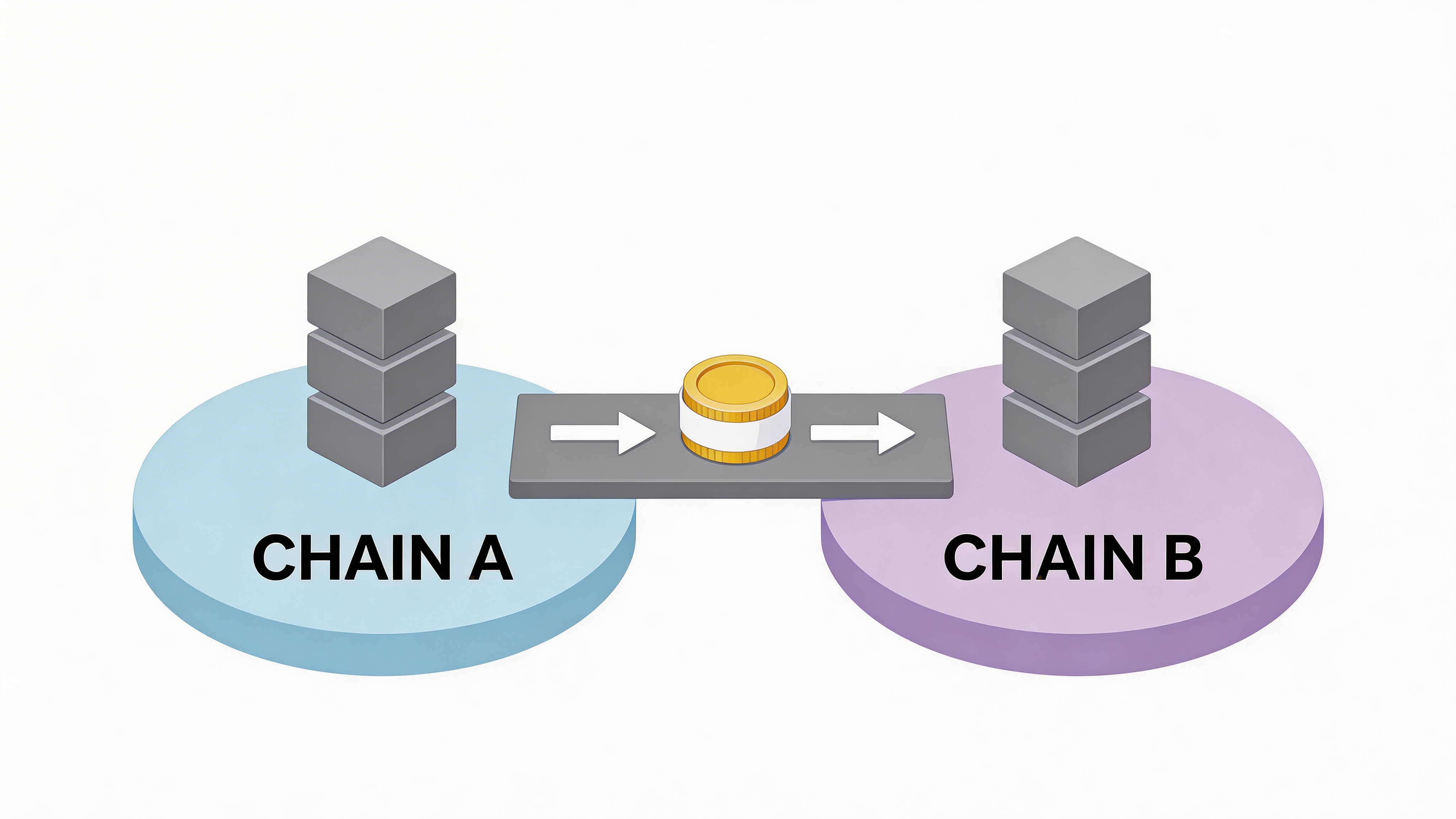
Bridge contracts are one of the cleanest ways to spot capital rotation before the crowd sees the first buy. Good wallets rarely bridge randomly. They move because a setup on another chain offers better liquidity, better incentives, lower execution costs, or faster access to a trade they already want.
That is why I treat bridge activity as an on-chain signal, not just infrastructure. A cross-chain transfer often shows intent earlier than a swap, LP add, or governance buy on the destination chain.
The contract details matter. Some bridges lock tokens on the source chain and mint wrapped assets on the destination. Others burn and release canonical assets through liquidity networks or messaging layers. That difference affects what you can infer from the transaction. A wrapped USDC deposit into a new chain is not the same signal as a native stablecoin transfer through a trusted route with immediate deployment.
What I track in bridge contract activity:
- Route selection: Serious wallets tend to use the same few bridges unless there is a clear reason to switch.
- Asset type: Stablecoin bridges usually signal planned deployment. Bridging volatile ecosystem tokens can signal speculation or treasury reshuffling.
- Size relative to wallet history: A small test transfer means one thing. A large move after weeks of inactivity means something else.
- Time to first action after arrival: Fast follow-through into swaps, lending markets, or staking is stronger than idle balances.
- Repeat behavior across chains: The best wallets often build a pattern. Bridge, deploy, harvest, rotate, repeat.
If you want to mirror smart money, bridge events alone are not enough. Pair them with the next two or three transactions. I care less about the transfer itself and more about what happens in the first hour after funds land. A wallet that bridges, buys a sector leader, seeds liquidity, and adds to governance exposure is expressing a thesis. A wallet that bridges and sits still is still in setup mode.
Code structure can also tell you where the risk sits. In practice, I look for contracts that rely on validator sets, multisig-controlled releases, message verification systems, or external liquidity pools. Each model creates a different failure mode. If the bridge depends on a small signer set, operational trust is part of the trade. If the bridge mints wrapped assets, depeg and redemption risk enter the picture. If the route uses pooled liquidity, slippage and pool imbalance can distort the signal.
Security warnings are stricter here than in almost any other contract category.
Bridge exploits have trained good traders to be selective. I discount wallets that spray funds across obscure routes just to chase a launch. I pay more attention to wallets that bridge through established paths, size carefully, and deploy fast once capital arrives. Tools like Wallet Finder.ai are useful here because they help connect the bridge transaction to the wallet’s full sequence after arrival, which is what you need if you want to copy behavior instead of guessing at intent.
The best bridge signals are not about chain tourism. They show capital moving with a plan.
9. Perpetual Futures and Borrowed Funds Trading Smart Contracts
A large share of DeFi blowups happens in products that utilize borrowed funds. That is why perp and margin contracts matter so much as on-chain signals. They show who can size risk, defend collateral, and survive volatility without getting forced out.
For traders tracking smart money, this category is less about perp mechanics and more about behavior under pressure. Spot wallets can look smart in a rising market. Wallets using borrowed funds have to prove it in the contract history. You can see position increases, margin top-ups, collateral withdrawals, borrow usage, and the timing around all of it. That sequence is often more useful than the headline PnL.
What to watch in perp contract activity
I care about repeatable process.
- Collateral management: Strong wallets do not top up margin randomly. They add collateral near clear invalidation levels or before predictable volatility events.
- Position building: Good entries often come in tranches across several transactions, not one oversized click at the local top.
- Borrow discipline: Borrowed funds should match the trade structure. If a wallet borrows aggressively and immediately rotates into thin markets, risk is rising fast.
- Venue selection: Traders with an edge usually return to the same perp venue because they trust its liquidity, execution model, and liquidation engine.
- Post-entry behavior: The next few transactions matter. Watch for hedges, collateral shuffles, or a fast spot buy that confirms conviction rather than a blind punt.
Code details help here too. Some perp systems separate collateral vaults, order execution, and liquidation logic across multiple contracts. Others route activity through a single manager contract. That changes what you can infer from raw on-chain data. If you only track one interaction, you can miss the true size, hedge, or borrow source behind the position.
Here’s a useful explainer if you want a visual on how perp mechanics work:
Start tracking smart money today
Join thousands of traders using WalletFinder.ai to find profitable wallets and copy their trades.
Start Free Trial →

